1
/
of
1
去大海的路上
去大海的路上
On The Way to The Sea
2010 | 20 minutes |
Languages: Mandarin, Chinese and English subtitles | Subtitles:
导演:古涛 | Director:Gu Tao
Regular price
$159.00 SGD
Regular price
Sale price
$159.00 SGD
Taxes included.
Quantity
Couldn't load pickup availability
“去大海的路上”由16毫米和8毫米胶片拍摄制作而成,是一部融汇了纪录、虚构与抽象为一体的实验电影。它用影像、声音和蒙太奇对一场灾难后的创伤和记忆进行重构,在意识流层面展现了人性状况的“精神流浪”。在实验手法上,采用了暗房曝光、手工冲印及光学印制等实验手法,其影像特质在华语电影中颇为罕见。
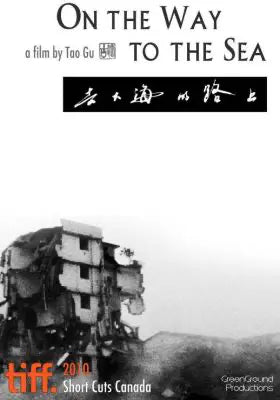
On May 12, 2008, the biggest earthquake in Chinese history occurred in the filmmaker's hometown of Wenchuan. According to official polls, 69,159 were killed, 374,141 were seriously injured and 17,469 are still considered to be missing. “On the Way to the Sea” was shot by 16mm and 8mm celluloid film. It’s a love letter the director wrote to his parents, the protagonists of the film as well as the survivors of the earthquake. Rich in imagery and sound, this film reveals two survivors’ post-traumatic stress disorder and unconscious memories of the disaster. It subtly mingles documentary and experimental elements as an imagist poetry on film which represents human’s eternal spiritual wanderings. Originally shot on film, it creatively uses experimental approaches such as dark room exposure and optical printing to capture and enlarge the unique poetic beauty that lies within the cinematic presentation.
View full details
On May 12, 2008, the biggest earthquake in Chinese history occurred in the filmmaker's hometown of Wenchuan. According to official polls, 69,159 were killed, 374,141 were seriously injured and 17,469 are still considered to be missing. “On the Way to the Sea” was shot by 16mm and 8mm celluloid film. It’s a love letter the director wrote to his parents, the protagonists of the film as well as the survivors of the earthquake. Rich in imagery and sound, this film reveals two survivors’ post-traumatic stress disorder and unconscious memories of the disaster. It subtly mingles documentary and experimental elements as an imagist poetry on film which represents human’s eternal spiritual wanderings. Originally shot on film, it creatively uses experimental approaches such as dark room exposure and optical printing to capture and enlarge the unique poetic beauty that lies within the cinematic presentation.